Cheap hotbed/greenhouse/cold frame
Spring has sprung here in town, and here at home we're giving our seedlings a head start. I built an inexpensive greenhouse-like structure on the south side of our garage, which is the single spot on our property that receives the most sunlight. It's not so much a greenhouse because you can't walk inside, nor is it quite a cold frame because it's heated from below. Perhaps the closest thing it resembles is an electric-heated hotbed (but using electric blankets instead of a soil heating cable). I've blogged about more traditional, compost-heated hotbeds before.
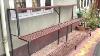
My structure is basically a giant picture window resting on my old plywood market table. (I kept the table from tipping over from the weight of the window by zip-tying concrete blocks to the back legs. It seems to be pretty stable!)
I first covered the table with a blanket from the thrift store (for insulation). Then I layered it with two electric blankets, also from thrift stores. Over the electric blankets I placed a plastic sheet to keep them from getting wet.
The blankets don't get the greenhouse terribly warm; they're there primarily to keep the temperature above 10ºC at night, which they've been doing well. I hung a down duvet from the top of the greenhouse to help keep the warmth in at night. The duvet is on a pulley system so that I can easily lower it at night and raise it in the morning. Of course, I was sure to cover the duvet well with tarps so that it wouldn't absorb the rain.
I also filled two plastic totes with water and placed them in the middle of the greenhouse. These are supposed to absorb the heat during the day
and slowly release it during the night. I'm not sure if they're doing much yet since it still doesn't get that warm in there during the day, but I figured, what the heck, most farmers do this!


Another trick I'm trying out this year is the addition of a home-made CO2 generator, consisting of a pop bottle filled with water, sugar and yeast. It's supposed to be able to produce CO2 for about two weeks before you have to feed it or replace it. Christoph gave me this idea, who said that one concern of growing plants in such a small enclosed space is lack of CO2 required for photosynthesis.
| Picture window | Free (from neighbour) |
|---|---|
| Insulating blanket | $4 |
| Electric blankets | $10 |
| Down duvet | Free (hand-me-down) |
| Scrap wood | Free (found in garage) |
| Tarp | $12 |
| Plastic totes | $10 |
| CO2 generator | $1 |
| TOTAL: | $37 |
So far this greenhouse hasn't got any warmer than 22ºC during the day, but it doesn't sink any lower than about 10ºC at night. It's been pretty cool this spring (so far) and it hasn't been consistently sunny for a whole day, so I'm not surprised that it hasn't warmed up more than that. But that's a good temperature range for the peppers and tomatoes right now, which might otherwise be fooled into thinking it's summer already and time to flower before they've had a chance to really grow.
Besides the peppers and tomatoes, there are lots of flowers that Laire has started. Some of these are perennials that he's hoping to get some blooms out of in the first year.


Comments
Electric blankets
Very resourceful!
I wonder about the safety factor with the layered electric blankets, though. I have an electric blanket (which I don't use) whose instructions say to always keep it on top due overheating and subsequent fire hazard.
Good question
I find these blankets don't really get all that warm. They're 120 W each, which I think is somewhat cooler than most heating cables designed for this amount of surface area. When I put my hand under the blankets, it feels cozy, but not really that "warm", even at their highest setting. I monitor the temperature regularly (some may say too regularly) and if I had any doubts about the safety of my seedlings I'd take suitable precautions.
But that's a very good point, and anyone following my lead should take care to read the safety instructions and use common sense!
Post new comment